


Heat pump hot water systems can reduce water-heating energy use by 60–75% compared to standard electric systems, significantly lowering running water heating costs. Although the upfront price is higher, government rebates and certificates often reduce the purchase cost, allowing many systems to pay for themselves within 3–6 years.
Because they use electricity to move heat rather than generate it, they are far more efficient, especially when paired with rooftop solar or off-peak electricity tariffs.
Beyond the financial savings, heat pump systems offer long-term environmental benefits, producing very low greenhouse gas emissions and helping future-proof homes as Australia transitions away from gas.
While factors like installation location, airflow, and household size matter, for most homes seeking long-term savings and efficiency, a heat pump hot water system is a smart investment.
Is a Heat Pump Hot Water System Right for Your Home?
Whether heat pump hot water systems are worth it for your home depends on your household setup, energy usage, and long-term priorities, particularly if you are replacing an existing hot water system.
While heat pumps deliver strong savings for many homes, some situations are better suited than others.
Best Suited For:
Electric water heater replacements
Homes replacing an older water heater typically see the fastest payback.
Switching to a hot water heat pump system reduces reliance on high electricity demand during peak periods and lowers energy bills almost immediately.
Solar households
Heat pump hot water systems work exceptionally well with solar energy.
By heating hot water during the day, households can use excess solar generation instead of exporting it to the grid, reducing overall energy consumption and ongoing costs.
High hot water usage homes
Larger families or homes with multiple bathrooms benefit the most from heat pump systems.
Higher daily hot water demand leads to greater energy savings, making the system particularly cost-effective over its expected lifespan.
Less Suitable For:
Poor airflow locations
Heat pumps rely on surrounding air movement to operate efficiently.
Homes with restricted airflow or limited outdoor space may see reduced performance and efficiency.
Very small households
For one or two-person households with low hot water usage, the upfront cost may take longer to pay back.
In these cases, alternative water heater options may be cheaper in the short term.
Certain retrofit constraints
Some properties have layout or structural limitations that affect installation, such as noise sensitivity, clearance issues, or complex plumbing.
A professional assessment ensures the unit is correctly sized and installed.
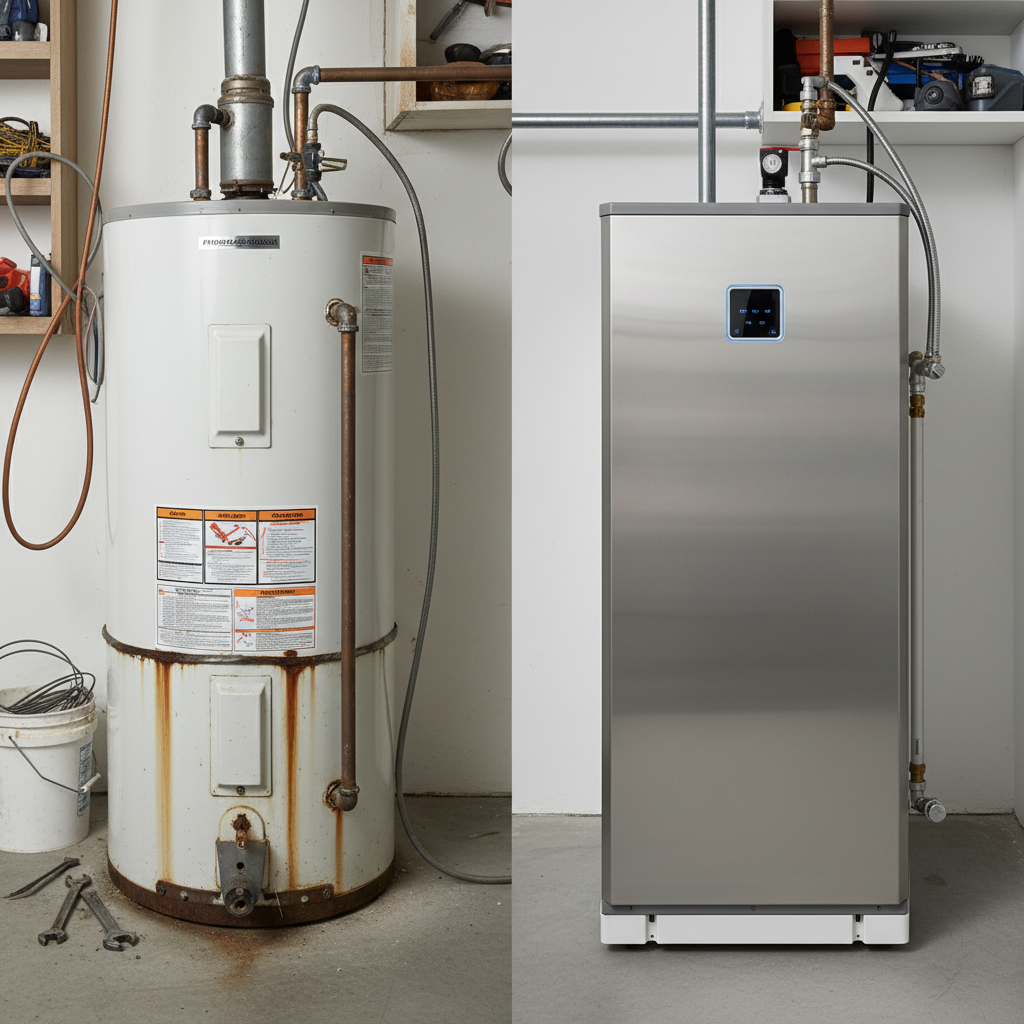
The Real Benefits of Heat Pump Hot Water Systems
Energy Efficiency and Lower Power Bills
Heat pump hot water systems are highly energy efficient because they use electricity to move heat from the air into the water rather than generating heat directly.
This process allows them to use 60–75% less electricity than traditional electric storage systems.
Because hot water accounts for a large share of household energy use, this efficiency delivers noticeably lower power bills, particularly for medium to large households.
Long-Term Cost Savings and Payback Period
Although heat pump hot water systems have a higher upfront cost than standard electric or gas options, reduced running cost delivers strong long-term value.
Many households recover the investment within 3-6 years, depending on usage patterns, electricity prices, and available government rebates.
With an expected lifespan of 10–15 years, ongoing savings can add up to thousands of dollars compared to less efficient hot water heat solutions.
Government Rebates and Incentives in Australia
Australian households can access federal and state-based government rebates for installing heat pump hot water systems, including Small-scale Technology Certificates (STCs).
These rebates are typically applied as upfront discounts, significantly reducing the installation and purchase cost, and improving the comparative costs against other hot water systems.
Environmental Benefits and Carbon Reduction
Heat pump systems produce far fewer greenhouse gas emissions than conventional electric or gas system options due to their lower energy demand.
When paired with solar, they can operate with near-zero emissions, making them a more eco-friendly choice for long-term water heating.
Solar Compatibility and Off-Peak Tariff Flexibility
Heat pump water systems are flexible and suited to modern energy setups. Many units can be timed to operate during the day using excess solar generation or overnight on off-peak electric tariffs.
This flexibility helps households save more power, reduce energy bills, and lock in lower long-term savings as electricity prices rise.
What Are the Downsides of Heat Pump Hot Water Systems?
While heat pump hot water systems offer strong long-term benefits, they are not suitable for every home installation.
Higher Upfront Cost
A heat pump is generally more expensive to purchase and install than a standard electric or gas water heater.
Although government rebates and long-term energy savings offset this over time, the initial investment may be a consideration.
Heating Speed and Tank Size Considerations
Heat pump systems heat water more slowly than traditional electric units when operating in heat-only mode.
This is typically resolved by choosing the correct tank size or a system with a built-in boost function for periods of high demand.
Correct sizing ensures consistent hot water temperature, even during colder weather.
Noise, Placement, and Airflow Requirements
Heat pump units require good air circulation and generate some noise from the fan and compressor. Our heat pumps at Eurosun incorporate noise-reduction design, delivering super-quiet operation at around 43 dB, which further reduces impact on indoor comfort and neighbouring areas.
Installing the unit in a well-ventilated outdoor location away from bedrooms ensures efficient operation and minimal disruption.
When a Heat Pump May Not Be the Best Choice
Homes with limited space, poor airflow, or low hot water demand may not achieve the same level of energy savings.
In these cases, alternative hot water systems, including solar or efficient electric options, may offer better value.
A professional assessment helps confirm whether a pump hot solution is the right fit for your home and expected usage.
Unsure if a Heat Pump Hot Water System is Worth It? Contact Solar Repairs Today!
Heat pump hot water systems can deliver significant long-term savings, lower energy bills, and reduced environmental impact, but the right choice depends on your home, usage, and installation setup.
If you’re unsure whether a heat pump system is the best option for your property, Solar Repairs can help. Our team can assess your existing hot water system, household needs, and available rebates to provide clear, practical advice.
Get in touch today to find out if a heat pump hot water system is the right investment for your home.
