

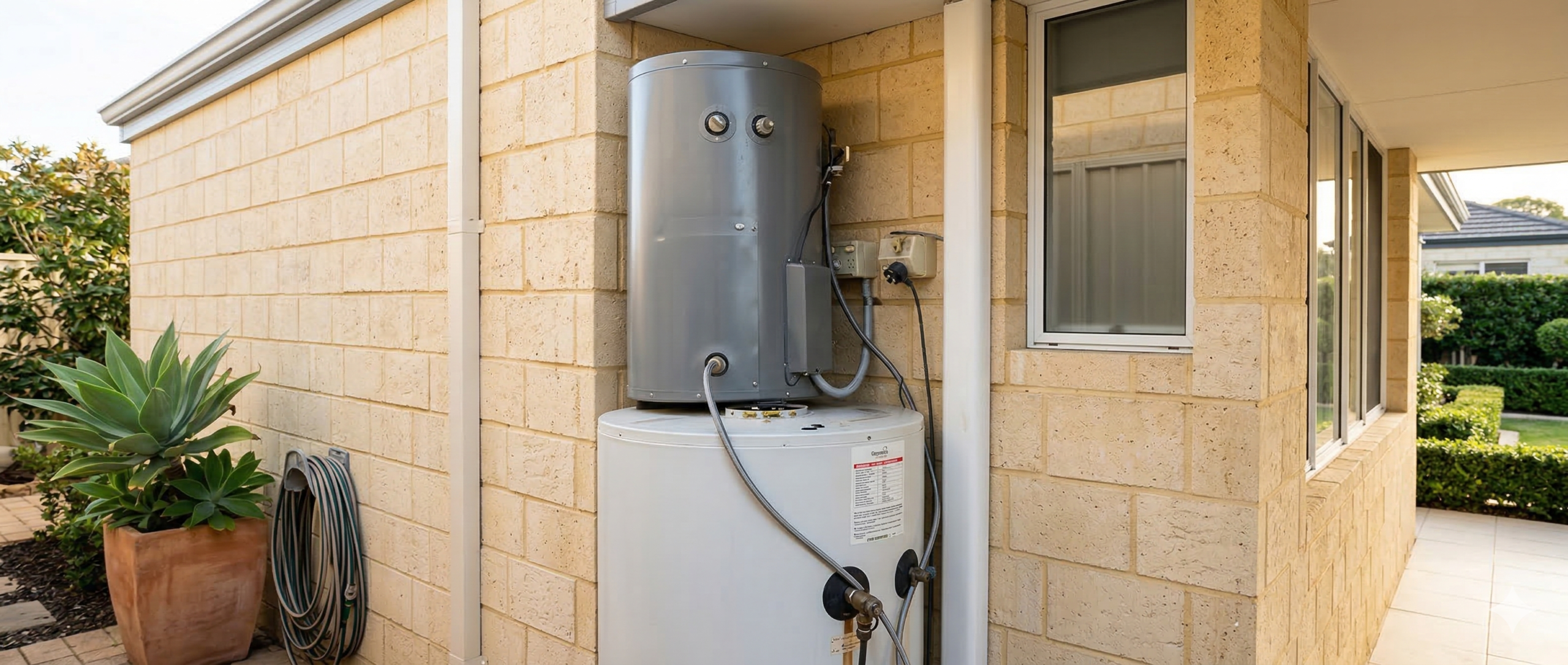
Most heat pump hot water systems last 10 to 15 years, with well-maintained or premium models often reaching 15 to 20 years or more.
Their lifespan depends heavily on factors such as usage, climate conditions, water quality, installation quality, and regular servicing, like filter cleaning and annual checks.
Compared to conventional electric or gas systems, heat pump hot water systems can last longer when properly maintained, as they use electricity to move heat rather than generate it directly.
Investing in routine maintenance and choosing a quality system can significantly extend lifespan while maximising energy savings over time.
Average Lifespan of Heat Pump Hot Water Systems
This average lifespan assumes normal household usage, proper installation, and regular maintenance.
With proper care, many heat pump systems continue to operate efficiently within this range before energy efficiency and performance begin to decline.
Typical Lifespan Range (10–15 Years)
For most households, a heat pump hot water solution will deliver consistent performance for a decade or more.
During this time, key components such as the compressor, fan, and storage tank operate under manageable load, provided cleaning filters and servicing are kept up to date.
Systems that receive regular professional inspections are far more likely to reach the upper end of this life expectancy, particularly when installation quality is high.
When Systems Reach 20+ Years
Some pump hot water systems can last 20 years or longer, though this is not the norm.
Extended lifespans are usually seen in premium heat pump water heaters installed under ideal conditions, including:
- Consistent annual servicing and proper maintenance
- Moderate hot water usage
- Good local water quality
- Professional installation with adequate airflow and space
These key factors reduce long-term stress on internal components and slow overall wear, helping the hot water system last longer.
How Heat Pumps Compare to Electric and Gas Systems
Heat pumps generally offer a longer or comparable lifespan to traditional electric water heaters and gas hot water system options.
Standard electric hot water systems and gas systems typically last 8 to 12 years, often due to higher operating temperatures, electrical resistance, and increased component stress.
Because heat pump technology relies on extracting heat from the air rather than generating it directly, pump hot water systems tend to experience less long-term wear.
As a result, heat pump hot solutions often match or exceed the lifespan of electric and gas alternatives while delivering better energy efficiency and lower energy consumption over time.
Heat Pump Lifespan Compared to Other Hot Water Systems
Lifespan alone does not tell the full story. Energy costs, running expenses, and maintenance requirements also influence long-term value when choosing a hot water system.
Heat Pump vs Gas
Gas systems often fall within a similar 8 to 12-year lifespan. Combustion-related components, high operating temperatures, and wear on heating elements can accelerate breakdowns over time.
Heat pump systems avoid combustion entirely, which reduces mechanical stress and can result in longer service life compared to gas options, while also delivering lower energy bills.
Heat Pump vs Solar Hot Water
Solar hot water systems can last 10 to 20 years, but rely on additional components such as roof-mounted collectors, circulation pumps, and controllers.
These parts may require repair or replacement during the system’s life, particularly in harsh weather conditions.
By comparison, solar hot water combined with solar panels offers a simpler, all-in-one design with more consistent performance across different climates and fewer exposed components.
Lifespan vs Efficiency Trade-Offs
Even when lifespan is similar, heat pump hot water systems deliver greater overall value by using less energy over their operating life. This results in significant energy savings and lower long-term energy costs.
This balance of durability, efficiency, and reduced energy consumption makes pump hot water solutions a strong long-term option for Australian households.
What Affects the Lifespan of a Heat Pump Hot Water System?
Several key factors determine whether a system reaches or exceeds its expected lifespan.
Maintenance and Servicing
Regular maintenance is critical. Annual professional servicing helps identify early wear, refrigerant issues, airflow problems, or a failing hot water system before they cause major damage.
Simple maintenance practices such as cleaning filters, checking the pressure relief valve, and keeping airflow areas clear also reduce strain on the system.
Usage and Household Demand
High hot water usage and heavy usage patterns increase system workload and accelerate wear.
Moderate, well-matched demand allows the heat pump water system to operate more efficiently and last longer.
Undersized systems place excessive stress on the hot water tank and internal components over time.
Climate and Installation Environment
Extreme temperatures can affect lifespan. Cold conditions force the system to work harder when extracting heat, while prolonged exposure to heat increases operating stress.
Correct placement, adequate ventilation, and protection from the elements all contribute to improved longevity.
Water Quality and Local Conditions
Poor water quality contributes to sediment buildup inside the tank and pipework, reducing performance and increasing wear.
Sacrificial anodes protect the steel tank from corrosion and must be inspected and replaced as required to preserve the hot water system.
Brand Quality and System Design
Premium systems typically use higher-quality compressors, storage tank materials, and electronics, resulting in longer service life.
While warranties can indicate build quality, real-world lifespan still depends on proper installation, ongoing maintenance practices, and local operating conditions.
How to Extend the Life of a Heat Pump Hot Water System
With proper care, a heat pump hot water system can operate efficiently for many years beyond its average lifespan.
Maintenance Checklist
Homeowners should:
- Keep the area around the unit clear to allow airflow
- Clean air filters regularly
- Check for leaks, corrosion, or unusual noises
- Monitor water temperature consistency and heating times
Early detection of issues prevents costly repairs and extends the system’s life expectancy.
Servicing Frequency
Professional servicing should be carried out annually. During servicing, technicians will inspect key components, check refrigerant levels, assess the hot water tank and anode, and confirm safe operation of the water heater.
Homes in areas with hard water or extreme climates may benefit from more frequent inspections.
Signs of Early Wear
Common warning signs include:
- Reduced hot water quantity
- Slower heating times
- Rising energy bills without increased usage
- Unusual noises or inconsistent temperatures
Addressing these signs early helps extend system life, maintain energy-efficient performance, and avoid premature replacement.
Learn about the Longevity of Heat Pump Hot Water Systems at Solar Repairs Today!
Heat pump hot water systems are a reliable, long-term solution, typically lasting 10 to 15 years and often longer with proper installation and regular maintenance. Factors such as usage, climate, water quality, and servicing all play a key role in maximising lifespan and maintaining energy efficiency over time.
If you want expert advice on extending the life of your heat pump system or assessing whether your current unit is performing as it should, the team at Solar Repairs can help.
Get in touch today to ensure your heat pump hot water system continues delivering efficient, dependable hot water for years to come.
