

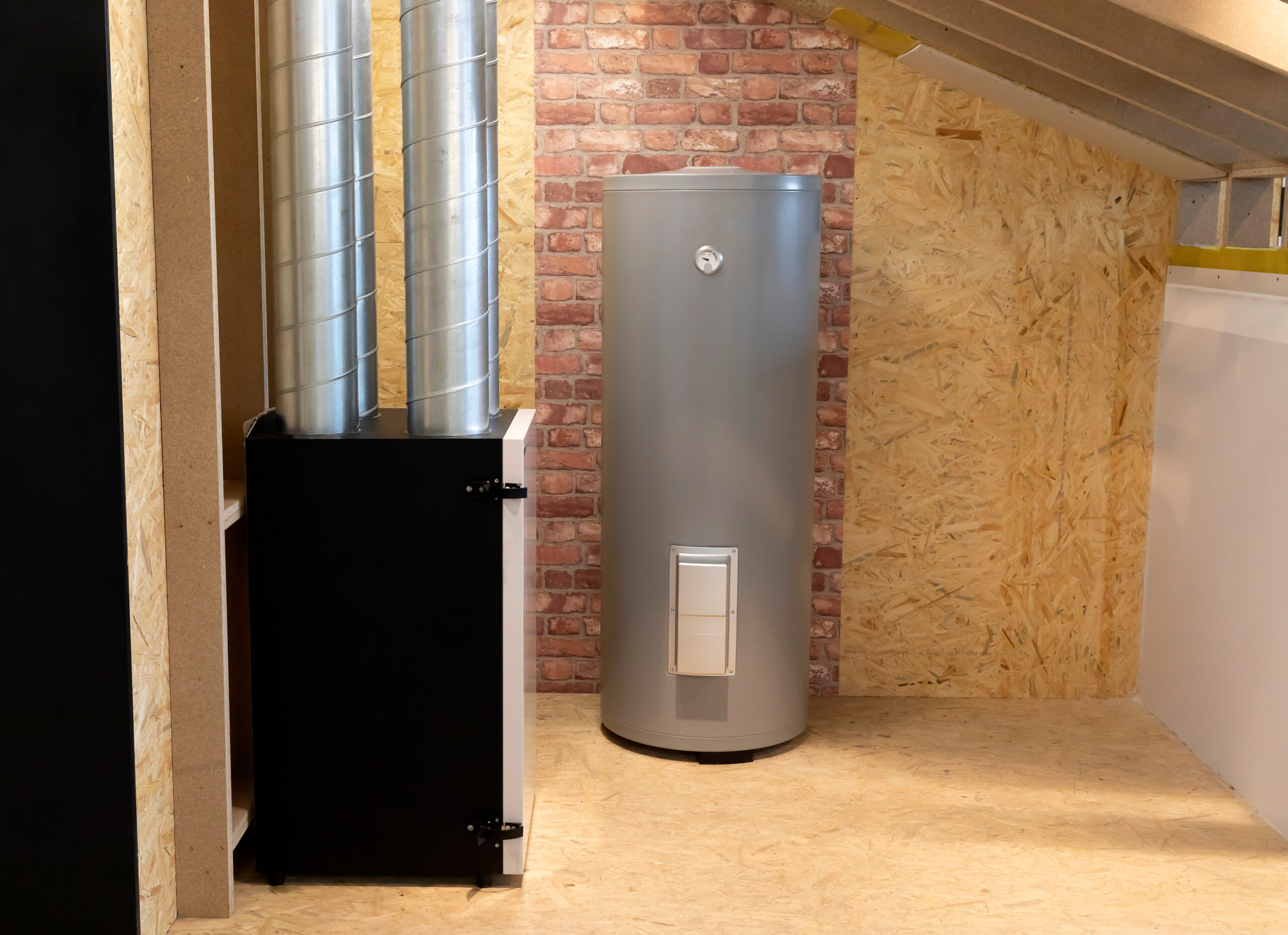
If you are looking at heat pump water heaters, you might wonder, can a heat pump hot water system be installed indoors? The short answer is yes, but it requires the right setup and conditions. This makes it important to understand how heat pump systems work and what to plan for before deciding on placement.
Installing a pump hot water system indoors can save space outside and protect it from the weather. However, because a hot water heat pump unit draws surrounding air to heat water, you will need proper ventilation to avoid issues. Without this, the hot water system may not operate efficiently or could cause unwanted problems inside your home.
Knowing the benefits and challenges helps you make the best choice for your situation. By learning what to expect, you can avoid costly mistakes and ensure your heat pump works as it should.
Key Takeaways
- A heat pump hot water system can be installed indoors with the right setup.
- Indoor installations need proper ventilation to function safely and efficiently.
- Understanding the risks helps you decide if this option suits your home.
Can a Heat Pump Hot Water System Be Installed Indoors?
You can install a heat pump hot water system indoors, but the setup depends on the unit type and the space available. The main key factors include how the system moves ambient air, how much proper airflow is needed, and whether the location allows safe and efficient operation.
Types of Hot Water Heat Pump Systems Suitable for Indoor Installation
Some hot water heat pumps are designed for outdoor installation only, while others can be installed indoors if conditions are right. Split systems are often easier to use inside because the compressor sits outside, and the hot water tank remains inside. This design reduces noise levels and avoids ventilation challenges.
Integrated systems combine the compressor and pump hot water in one unit. These can be used indoors, but they need a large, well-ventilated space. Without enough airflow, they cannot extract heat from the surrounding air effectively.
In most homes, a garage, basement, or utility room works best for indoor setups. These areas usually provide enough space and airflow. You should also consider the noise levels, as the fan and compressor may be noticeable in smaller or enclosed rooms.
If you choose an indoor setup, you need to match the hot water heat pump system to the space. A split system may suit a smaller room, while an integrated design usually requires a larger area.
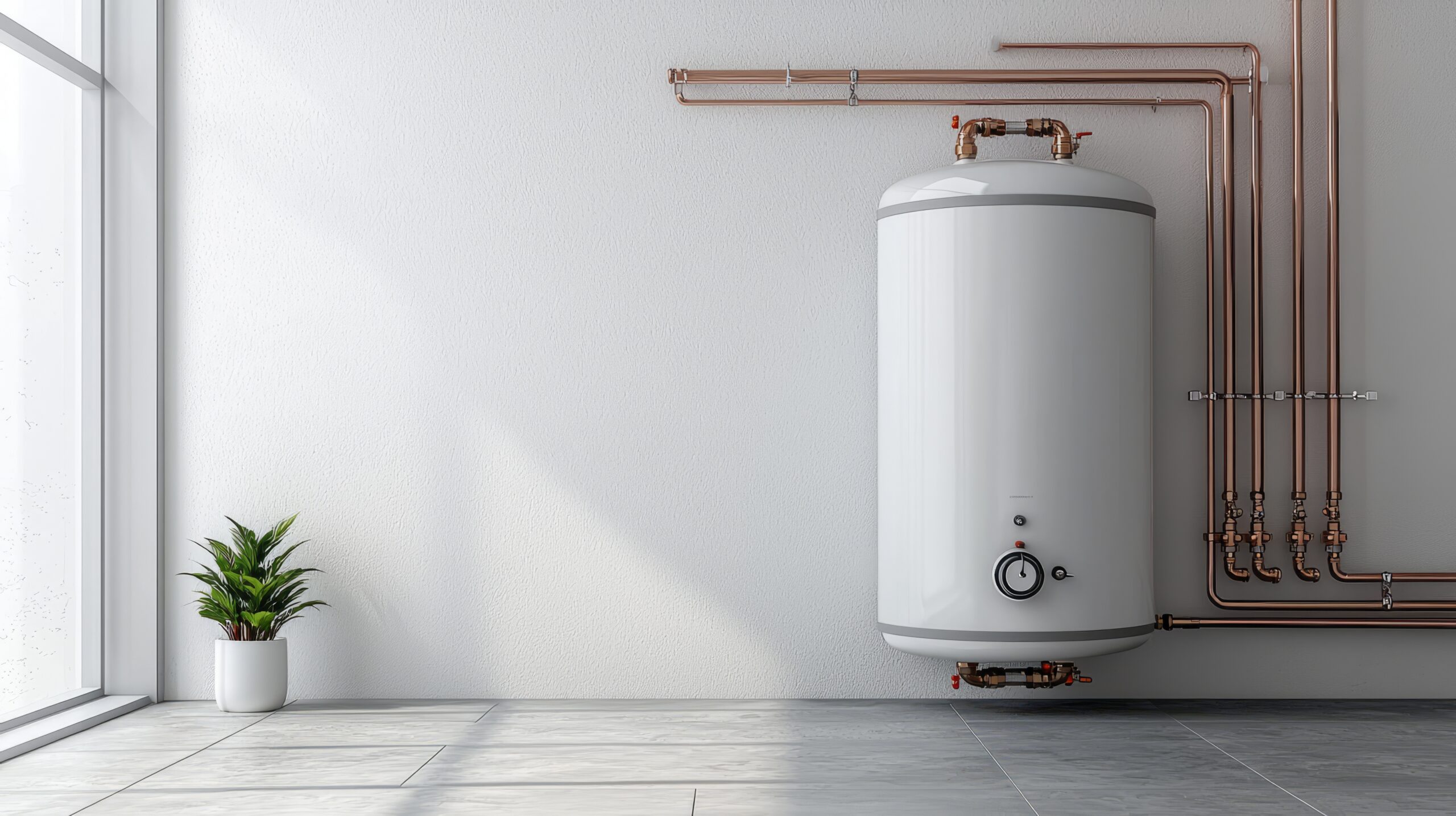
Indoor Installation Requirements and Limitations
Installing a hot water heat pump system indoors requires proper airflow. The unit must draw in and expel ambient air to function. If the room is too small or sealed, the hot water system will face reduced efficiency, which may lead to moisture buildup.
You also need to manage condensation. Heat pump units naturally extract warmth from the air, producing water as a by-product. A drain line or pump is essential to avoid leaks or dampness.
Clearances around the unit are another requirement. Manufacturers specify minimum distances from walls and ceilings to allow safe operation and maintenance. Ignoring these can restrict airflow and shorten the system’s lifespan.
Noise is another factor to weigh. Installing a heat pump indoors near bedrooms or living spaces can be disruptive. Picking the right location ensures your hot water system works well without disturbing daily life.
Risks and Considerations for Indoor Heat Pump Hot Water Systems
Installing a hot water system indoors creates challenges that affect comfort, safety, and performance. You need to think about how the system interacts with moisture buildup, space, compliance, and ventilation before making your decision.
Moisture, Condensation, and Humidity Issues
A heat pump extracts heat from the air, which can cause condensation on the unit and nearby surfaces. If ventilation is poor, this moisture can raise indoor humidity, damaging plaster, timber, or paint.
Damp air also affects performance. When the room has high humidity, the heat pump works harder to extract heat, which leads to reduced efficiency and higher running costs.
To reduce these risks, install louvres, vents, or fans. This helps maintain airflow and keeps humidity under control.
Mould and Mildew Growth
Moisture from condensation creates ideal conditions for mould. Once it spreads, mould impacts both your home’s surfaces and indoor air quality. Breathing spores may trigger allergies or worsen asthma symptoms.
To prevent this, ensure good airflow, consider a dehumidifier for enclosed spaces, and keep the area around the hot water system unit clean.
Noise and Space Constraints
Heat pump systems rely on a fan and a compressor. Indoors, this may become disruptive. Choosing a garage or utility room helps limit noise impact.
The system also requires clearance for airflow. Tight spaces may restrict airflow, causing overheating or short cycling. Checking the manufacturer’s minimum space guidelines ensures the system’s efficiency.
Compliance with Building Codes and Manufacturer Recommendations
Indoor heat pump installation must meet Australian building codes covering ventilation, electrical safety, and clearances. Ignoring them can cause safety risks or inspection failures.
Manufacturers also have strict guidelines. If not followed, the warranty may be voided. Working with a licensed installer ensures compliance and avoids future issues.
Need a Hot Water Heat Pump Installed Indoor? Contact Solar Repairs Today!
Installing a hot water system indoors can be a smart choice if you have the right space, ventilation, and setup. With careful planning, you can enjoy reliable hot water while keeping your home safe and efficient. At Solar Repairs, our licensed team specialises in heat pump installation, ensuring your system runs smoothly and meets all compliance standards.
If you’re considering an installation, contact us today for expert advice and professional service.
How Perth Weather and Synergy Tariffs Impact Indoor Heat Pump Installations
In Perth, the harsh local climate often drives the choice to install a heat pump hot water system indoors or inside a well ventilated garage. Suburbs within a few kilometres of the Indian Ocean coast constantly deal with salt laden air that can attack outdoor fixings. Meanwhile, inland areas endure long, hot and dry summers where extreme heat and UV exposure do most of the ageing. Protecting your system from these conditions by placing it indoors can help extend its working life significantly.
Heating water requires electricity, making the running time crucial for Perth solar owners. Under the Synergy Distributed Energy Buyback Scheme, exporting your excess solar power before 3pm earns just 2 cents per unit, while exporting between 3pm and 9pm earns 10 cents. Buying electricity from the grid costs 32.3719 cents per unit. Rather than exporting power for a minimal return in the morning, setting your indoor heat pump to run before 3pm uses your own solar energy to heat water, keeping your system highly efficient.
Soaking up your solar generation when export rates are low is the most practical way to reduce household bills. Eligible small-scale systems also earn small-scale technology certificates under the federal scheme, based on the grid electricity they displace. Whether your Perth home uses terracotta tile or Colorbond roofing for its solar array, pairing a correctly ventilated indoor heat pump with your solar generation is a smart way to beat high grid costs and avoid Western Australian weather extremes.
- Protect your heat pump from coastal salt laden air and severe inland UV exposure.
- Run your system before 3pm rather than exporting solar for 2 cents per unit.
- Avoid paying the Synergy grid rate of 32.3719 cents per unit to heat your water.
- Ensure your indoor space has proper ventilation to maintain airflow and efficiency.
