

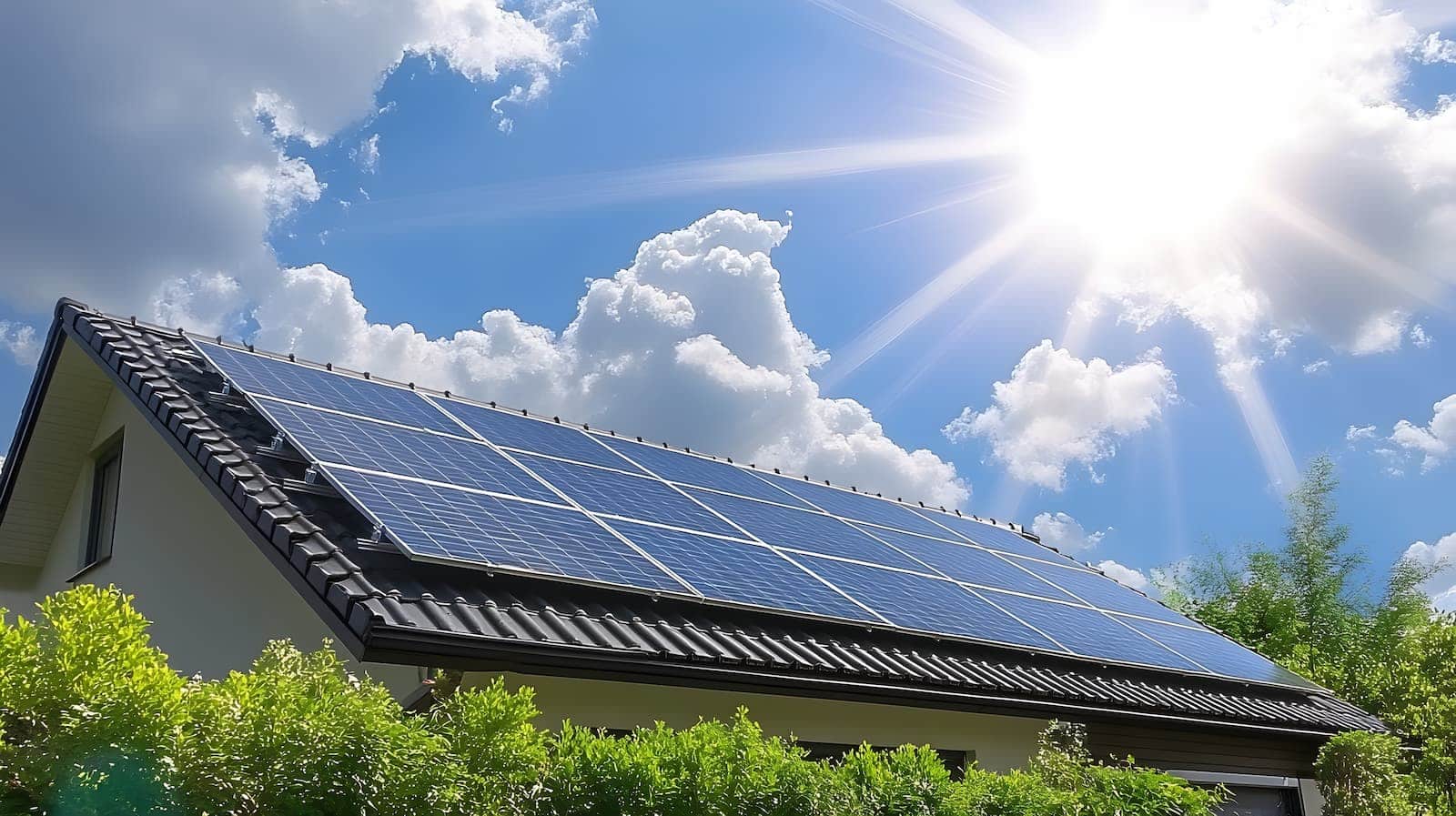
Solar power works by harnessing the sun’s energy to generate clean electricity. Solar panels convert light energy from the sun into electrical energy that can be used to power appliances and buildings.
When sunlight hits the solar panels, it causes electrons in the panels’ cells to move. This movement of electrons creates an electric current. A solar inverter then converts this current into a form that’s usable in your home.
Solar power is becoming more popular in Australia, especially in sunny places like Perth. It’s a great way to cut down on power bills and help the environment. As technology improves, solar systems are getting better at capturing energy and storing it in solar batteries. This makes them a smart choice for many homeowners.
A Quick Breakdown of Solar Power
- Solar panels convert sunlight into usable electricity for homes
- The technology is improving, making solar power more efficient
- Solar energy helps reduce power bills and environmental impact

What Is Solar Energy?
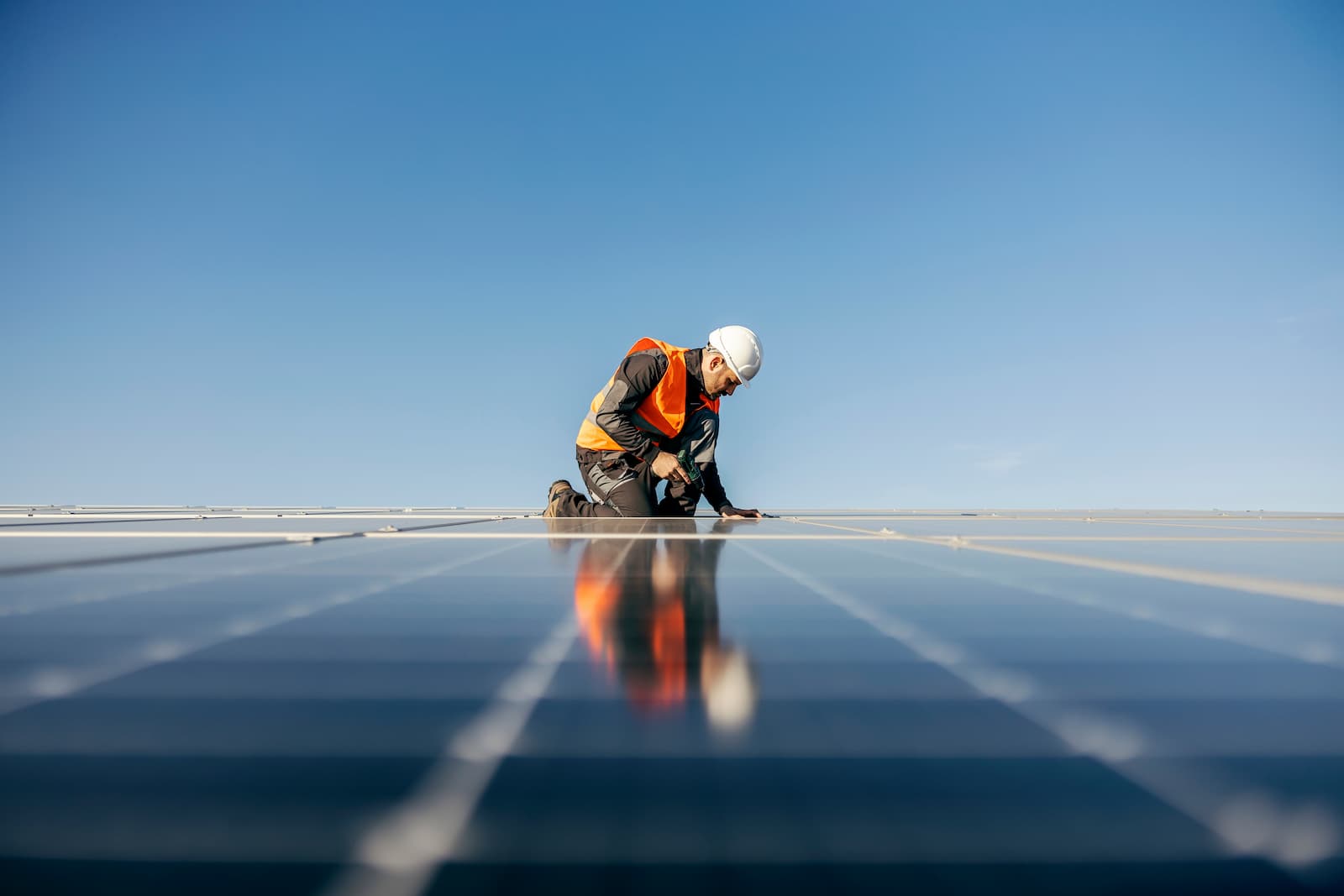
Solar energy refers to the energy that is produced by the sun’s radiation. The sun releases tiny packets of energy called photons. These photons travel 150 million kilometres from the sun to Earth in about 8.5 minutes. When photons hit a solar panel, they knock electrons free from atoms. This creates a flow of electricity.
Solar panels are made up of many smaller units called photovoltaic cells. Each cell is like a sandwich made of two slices of semiconducting material, usually silicon. They are responsible for capturing and absorbing sunlight before it can be converted for home use.
To use solar energy, the energy you get from the sun’s rays needs to be converted in a way that is compatible to be used for your home. This is taken care of by solar inverters.
Understanding Photovoltaic Systems
A photovoltaic (PV) system is what most people think of as “solar power”. It is made up of components that work together to turn sunlight into electricity. PV systems are made up of solar panels, solar inverters, mounting systems and sometimes solar batteries.
PV systems can be connected to the power grid or work on their own. Grid-connected systems let you sell extra power back to the electricity company. Off-grid systems need batteries to store power for when the sun isn’t shining.
Components of a Solar Power System
A solar power system consists of several key parts that work together to generate electricity from sunlight.
Solar Panels
Solar panels are the heart of any solar power system. They’re made up of many photovoltaic cells that convert sunlight into electricity. These cells contain layers of silicon that create an electric field when exposed to light.
Most panels are about 1.6 metres long and 1 metre wide. They come in different wattages, typically ranging from 250 to 400 watts per panel. The number of panels you need depends on your energy use and roof space.
Panels can be monocrystalline or polycrystalline. Mono panels are more efficient but cost more. Poly panels are cheaper but need more space to produce the same amount of power.
Inverters
Inverters change direct current (DC) electricity from your solar panels into alternating current (AC) that your home can use. There are three main types:
- String inverters: One central inverter for all panels
- Microinverters: Small inverters attached to each panel
- Power optimisers: A mix of string inverters and panel-level electronics
String inverters are the most common and cheapest option. Microinverters and power optimisers can boost system output, especially if some panels are shaded.
Balance of System (BOS)
The balance of system includes all the other bits and pieces needed to complete your solar setup. This covers:
- Wiring to connect panels and inverters
- Switches and circuit breakers for safety
- Meters to track your energy production
- Batteries for energy storage (if you choose to add them)
These components ensure your system runs safely and efficiently. While less visible than panels, they’re crucial for turning sunlight into usable electricity for your home or business.

How Solar Panels Generate Electricity
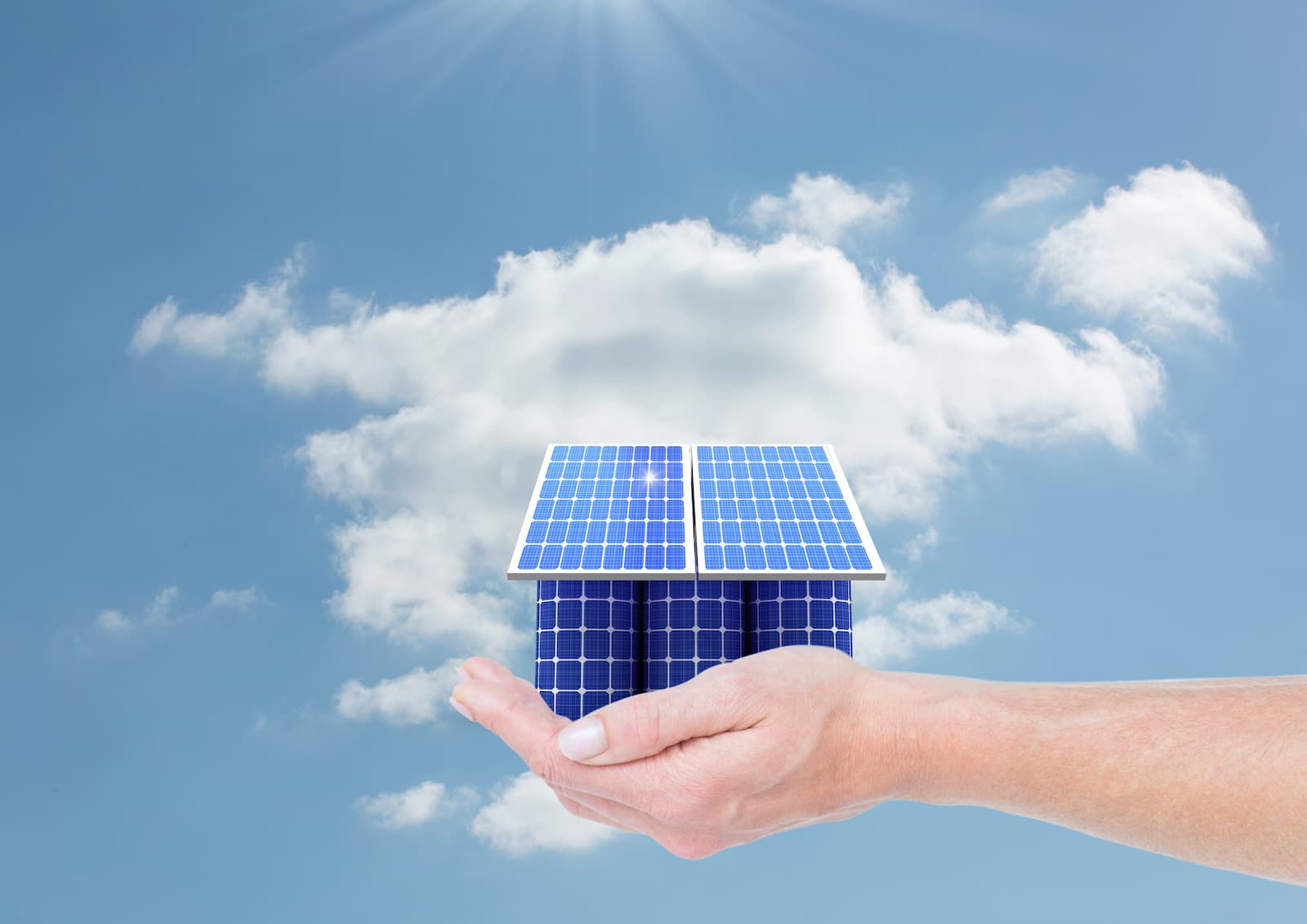
Solar panels turn sunlight into electricity through a clever process. They use special materials and designs to capture the sun’s energy and send it to your home.
The Photoelectric Effect
Solar panels work thanks to the photoelectric effect. This happens when light hits certain materials and makes electrons move. The panels have layers of silicon with special chemicals added. When sunlight hits these layers, it knocks electrons loose.
The loose electrons flow through the panel, creating an electric current. This current is direct current (DC) electricity. It’s the same type that batteries use.
Solar cells are arranged in a grid on the panel. Each cell adds to the total power the panel can make. The more cells, the more power you can get.
Conversion Efficiency
Not all the sunlight that hits a panel turns into electricity. The amount that does is called conversion efficiency. Most home solar panels turn about 15-20% of sunlight into power.
New technologies are making panels more efficient. Some can now reach over 20% efficiency. This means you can get more power from the same-sized panel.
Panel efficiency matters when you have limited roof space. Higher efficiency lets you make more power in a smaller area. It can also lower the cost of your system over time.
Net Metering and Grid Connection
Most home solar systems connect to the power grid. This lets you use electricity from the grid when your panels aren’t making enough. It also lets you send extra power back to the grid.
When you send power to the grid, you get credits on your bill. This is called net metering. During the day, your panels might make more power than you use. At night, you use power from the grid. Net metering balances this out over time. It can help lower your power bills by a substantial amount.
You need a special meter to do net metering. Your solar installer can help set this up with your power company.
Interested in Solar Panels? Contact Solar Repairs Today!
Ready to go solar? Solar Repairs Perth can help with expert installations, maintenance, and repairs. Contact us today to start saving on your power bills and harness the sun’s energy.
Visit our website or call us to learn more!
How Solar Works Specifically in Perth and WA
In Western Australia, understanding how solar power works means looking at our local climate. Perth summers are long, hot and dry, which means ultraviolet light and intense heat do most of the ageing on inland solar systems. If you live within a few kilometres of the Indian Ocean coast, your system faces different challenges. The salt-laden air can quickly affect rooftop mounting rails, brackets and fixings. Local installers also have to adapt how panels are mounted and flashed depending on whether you have a terracotta tile or Colorbond roof.
How your system works financially depends on the local electricity retailer. Buying power from the grid on Synergy’s A1 residential tariff costs 32.3719 cents per unit. Under the Distributed Energy Buyback Scheme, exported electricity earns 10 cents per unit between 3pm and 9pm. However, you only receive 2 cents per unit before 3pm or after 9pm. This gap between the buyback rate and the cost of grid power means it is much smarter to use your solar energy during the day instead of sending it back to the grid.
Some Perth homes are still on the older Renewable Energy Buyback Scheme, where customers receive 7.1350 cents per unit for exported electricity at any time. If you need a meter upgraded or reconfigured during repairs, Synergy pays a Temporary Export Credit of 7.135 cents per unit on a net basis. Because Perth weather can be harsh on rooftop equipment, keeping your system properly maintained ensures you keep capturing that sunlight effectively and making the most of your investment over the long hot summers.
- Salt-laden coastal air requires careful attention to mounting rails and brackets.
- Inland Perth systems face severe ultraviolet and heat degradation over time.
- Exporting power to Synergy pays best between 3pm and 9pm.
- Using your own power during the day avoids the high A1 residential tariff.
